


Sensitive skin and dermatitis: how to reduce itching and irritation🌸
Sensitive skin is not just a sensation.
It is a real condition, often linked to an alteration of the skin barrier, which can manifest as itching, redness, dryness, and widespread discomfort.
When the skin loses its protective ability, even daily stimuli can become irritating: synthetic fabrics, friction, sweating, or unsuitable products.
For this reason, it is essential to intervene carefully, choosing materials and habits that help the skin regain its balance.
Why skin becomes sensitive 🔍
The causes can be diverse, but are often attributable to three main conditions:
Dry skin
Dehydrated skin tends to lose elasticity and protection, becoming more exposed to irritation and micro-lesions.
Dermatitis (atopic or contact)
It manifests as redness, itching, and inflammation. It can be linked to internal factors or contact with irritants.
Reactions to materials or ingredients
Synthetic fragrances, non-breathable fibers, or chemical treatments can increase skin reactivity.
The role of fabrics in contact with the skin🧴
One of the most underestimated aspects concerns what we wear every day.
Synthetic or non-breathable fabrics can increase sweating, trap moisture, and promote irritation.
According to a review published in Textiles and the Skin Microclimate (Hatch, 2005), the hot-humid microclimate between skin and fabric is one of the main factors contributing to the appearance of skin irritation.
A more recent review published in the Journal of Clinical Medicine (2021) also highlights that synthetic fibers like polyester and nylon can worsen the symptoms of atopic dermatitis, while natural materials like cotton are generally better tolerated.
Other clinical studies (British Journal of Dermatology, 2020) demonstrate that smooth, natural fibers reduce friction on the skin, improving comfort and helping to limit itching and irritation.
Finally, dermatological literature highlights that many skin reactions are not caused by the fiber itself, but by chemical substances used in textile processing, such as dyes or finishes (DermNet NZ, Textile Contact Dermatitis).
How to manage sensitive skin and dermatitis in daily life✨
Some habits can make a difference:
Choose breathable and natural garments
Prolonged contact with delicate fabrics helps reduce stress on the skin.
Avoid synthetic materials in direct contact
Especially in the most sensitive areas or those prone to friction.
Prefer non-restrictive garments
Tight elastic bands or rigid seams can increase irritation.
Keep the skin hydrated
A healthy skin barrier reacts less to external stimuli.
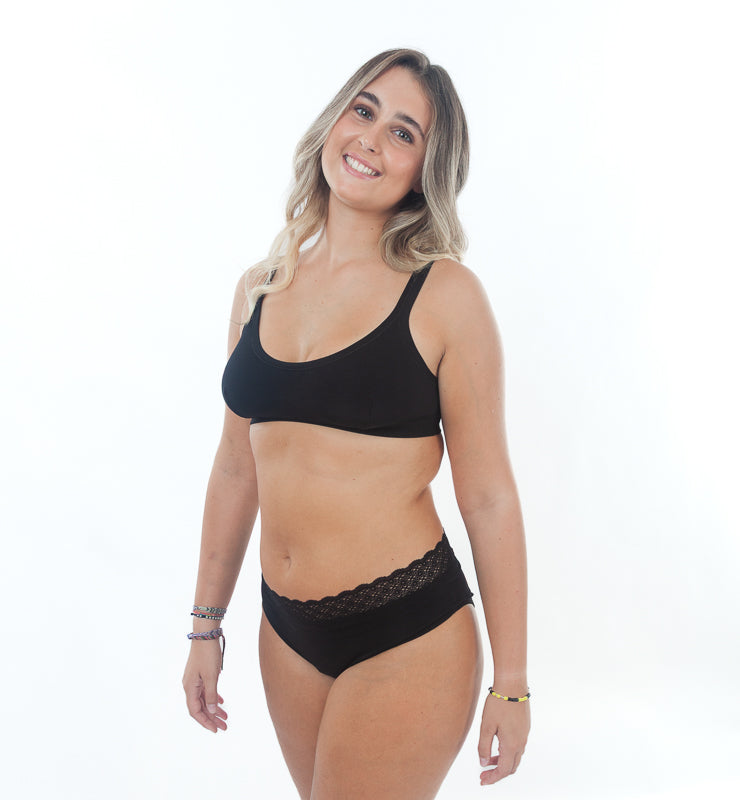
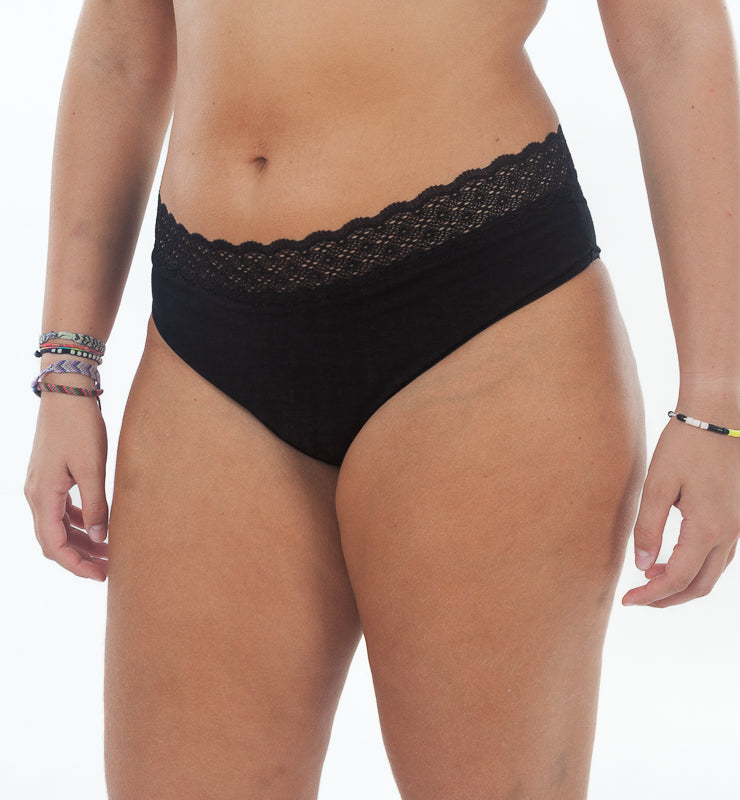
Underwear and clothing for sensitive skin
When you have delicate skin, even the choice of underwear and clothing becomes central.
The most suitable garments are those that:
-
remain soft on the skin all day long
-
allow for natural breathability
-
reduce the risk of contact irritation
For this reason, more and more people are choosing garments made with natural and sustainable materials, designed to reduce the impact on the skin.
Discover CASAGIN natural underwear and clothing
A daily choice that makes a difference
Taking care of sensitive skin does not just mean intervening when the problem appears, but preventing it.
Choosing more delicate materials, reducing irritating stimuli, and adopting more conscious habits can help the skin regain its balance over time.
Calmer skin also starts with what you wear every day.
Scientific references
-
Hatch KL. Textiles and the skin microclimate: cutaneous reactions. Journal of the Textile Institute, 2005.
-
Cork MJ et al. Atopic dermatitis epidemiology and prevention. Journal of Clinical Medicine, 2021.
-
Danby SG et al. Clothing and atopic dermatitis: the role of fabrics. British Journal of Dermatology, 2020.
-
Textile Contact Dermatitis. DermNet NZ (clinical dermatology resource).
-
Li Y. The role of clothing in thermoregulation and skin health. International Journal of Dermatology, 2022.
Information note
The information on this page is for informational purposes and does not replace the advice of a healthcare professional.
DISCOVER THE ENTIRE COLLECTION
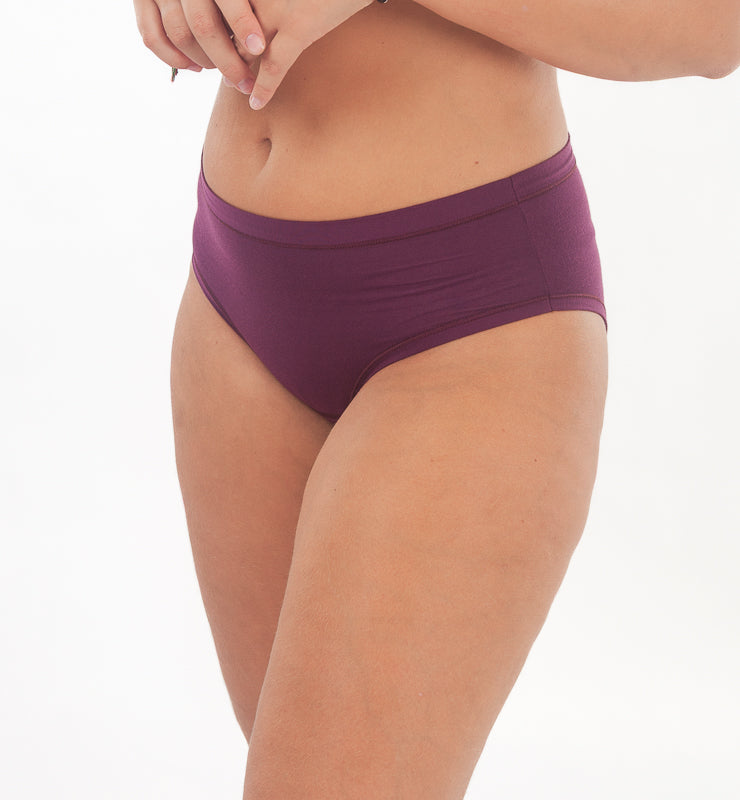
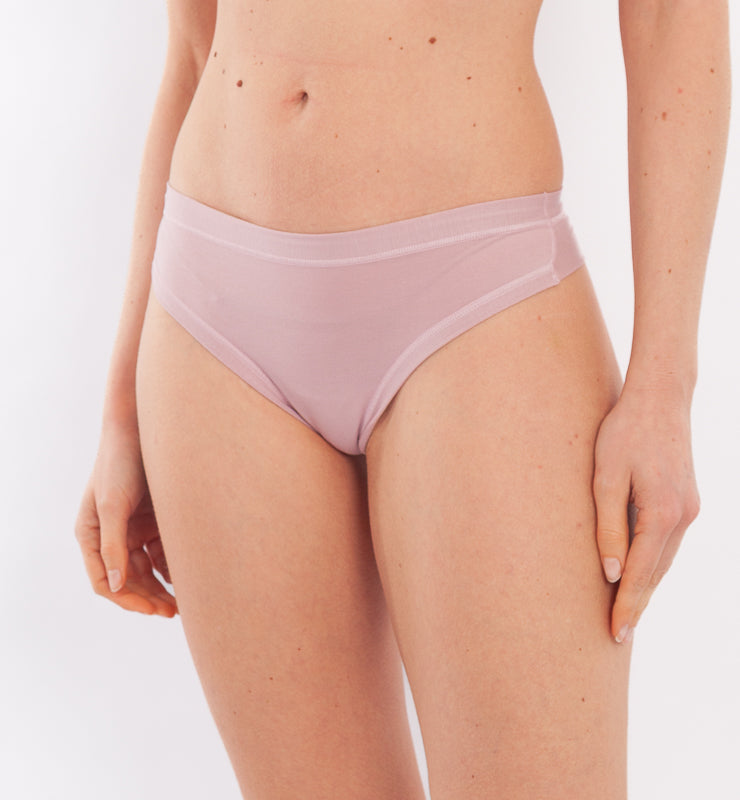
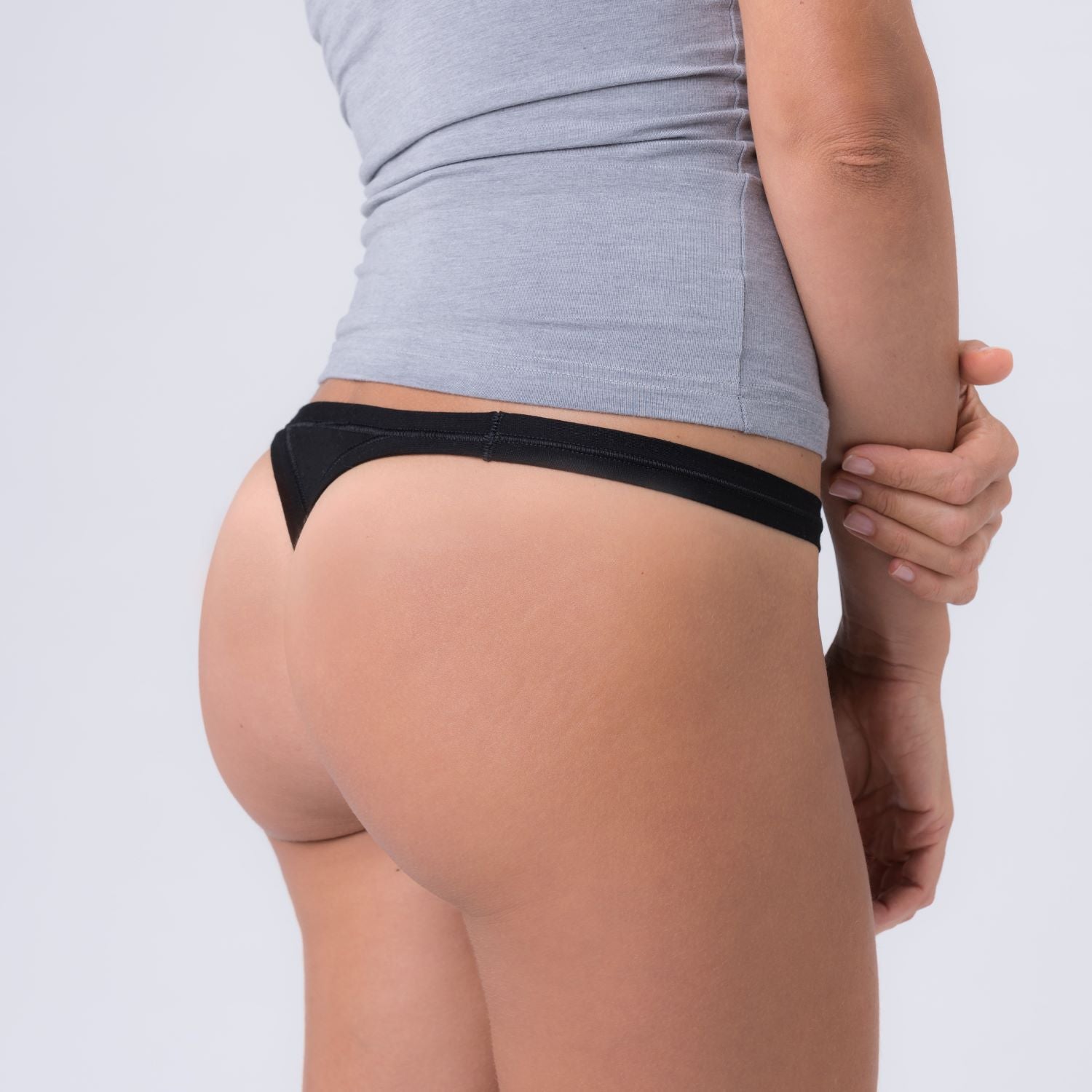
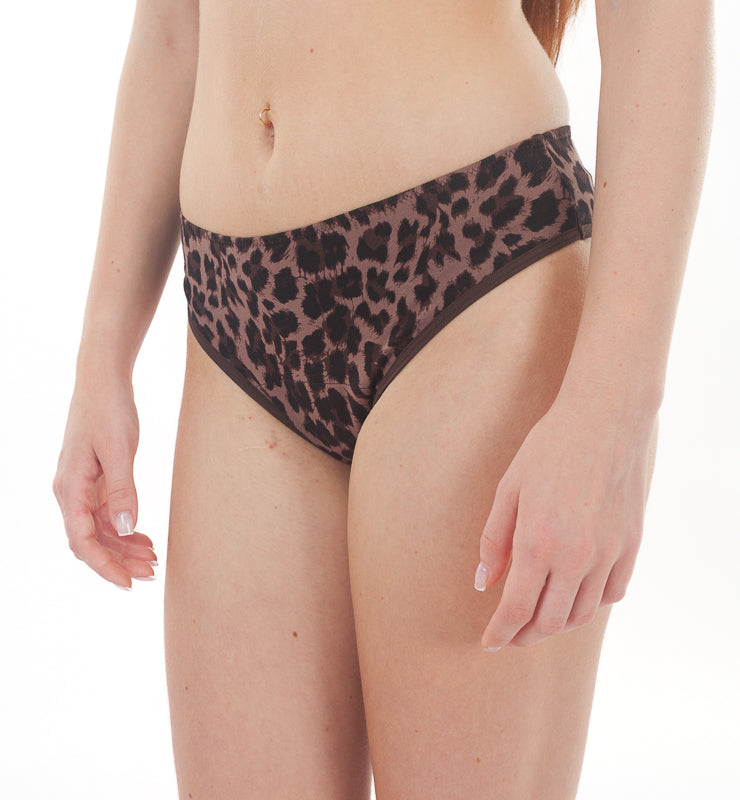
Some recommended products for your discomfort
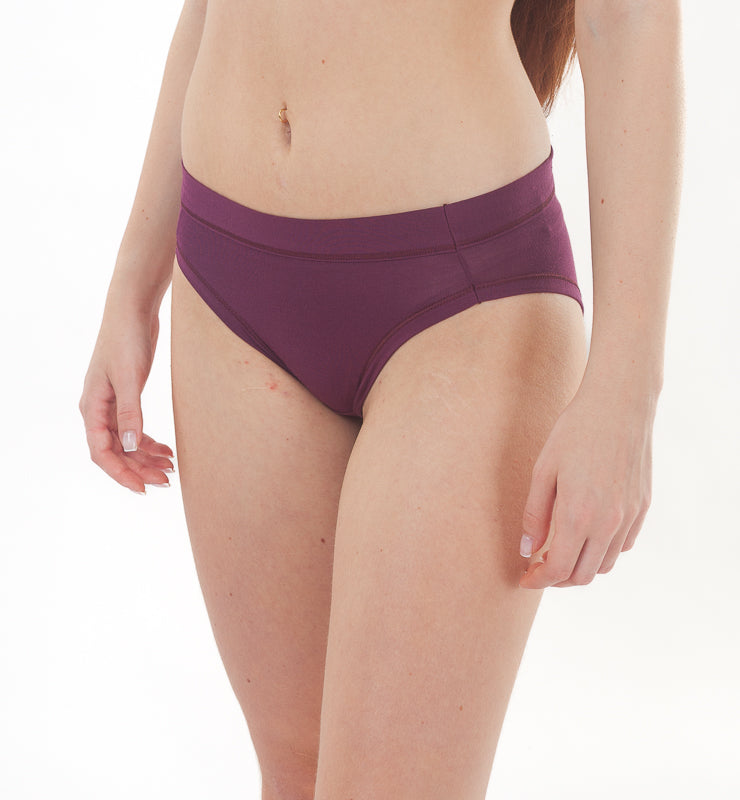
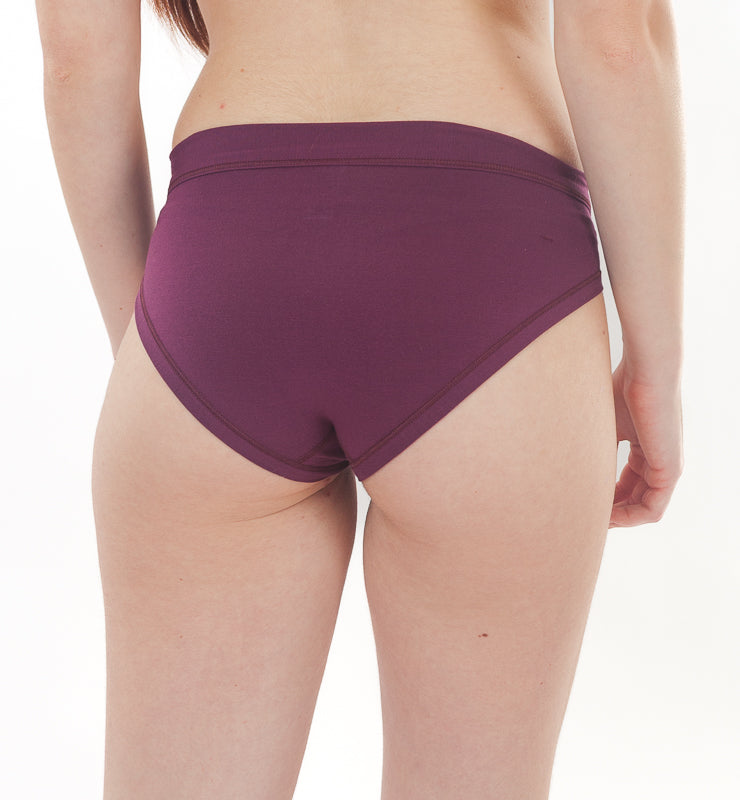
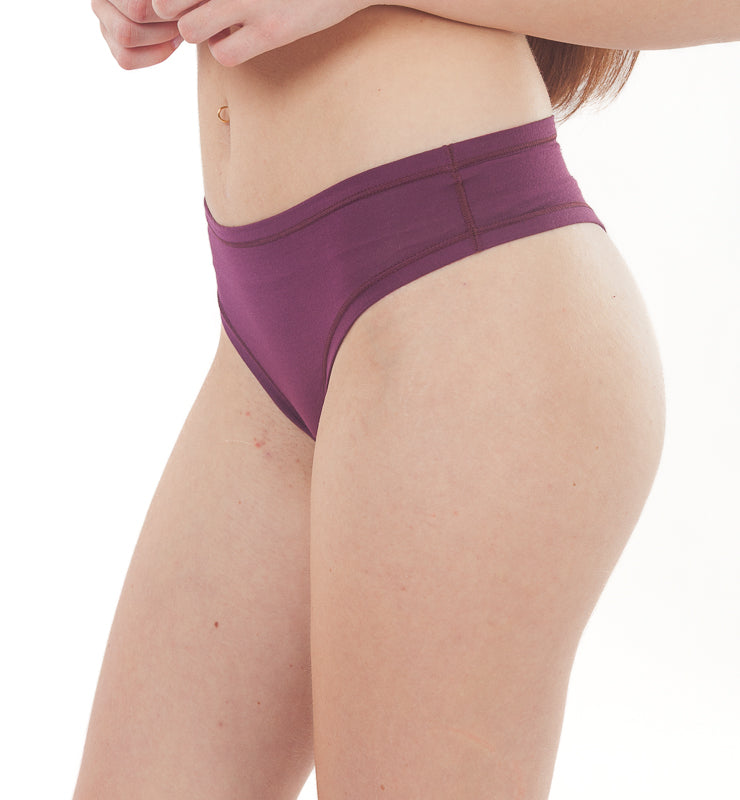
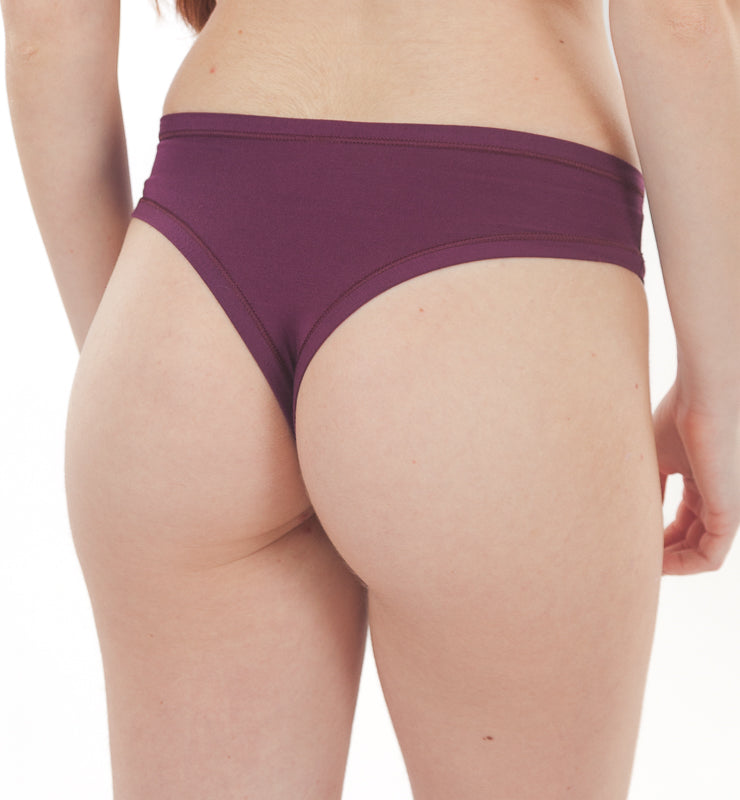








Consult our privacy policy to learn more about how your data is processed.
Take part in the change
Why subscribe to the newsletter?
Become part of the CASAGiN world

PROMO
By subscribing to our newsletter, you will always be the first to receive alerts about promotions and special discounts on products while supplies last.

NEW RELEASES
You will be able to get a sneak peek at our new arrivals and be the first to experience the feel of our new fabrics and products.

CASAGiN Lover
Access news, rewards, and promotions dedicated to our CASAGiN Lovers, our loyalty program.

ADVICE AND TIPS
Stay up to date with tips and advice regarding sustainable fashion.